From External SSDs to Gaming Memory IMR in Next Generation Product Design


- 2026-09-07


As consumers place increasing emphasis on product aesthetics, brand identity, and sustainable manufacturing, surface decoration technology is no longer merely a supporting element in product development—it has become an important source of brand competitiveness.
In recent years, internationally renowned brands have increasingly adopted IMR (In-Mold Release) technology in consumer electronics. From portable storage devices to high-end gaming hardware, IMR technology can now be seen across a wide range of applications.
This not only reflects the market’s growing demand for premium product aesthetics, but also indicates that the manufacturing industry is moving toward greater efficiency and lower environmental impact.
What Is IMR Technology?
IMR (In-Mold Release) is a type of in-mold decoration technology.
During the injection molding process, a pre-designed and pre-printed decorative film is transferred directly onto the product surface, allowing structural molding and surface decoration to be completed simultaneously.
Compared with conventional painting, printing, or electroplating processes, IMR offers the following advantages:
- Reduces downstream processing steps
- Reduces VOC emissions
- Improves mass-production efficiency
- Enhances surface wear resistance
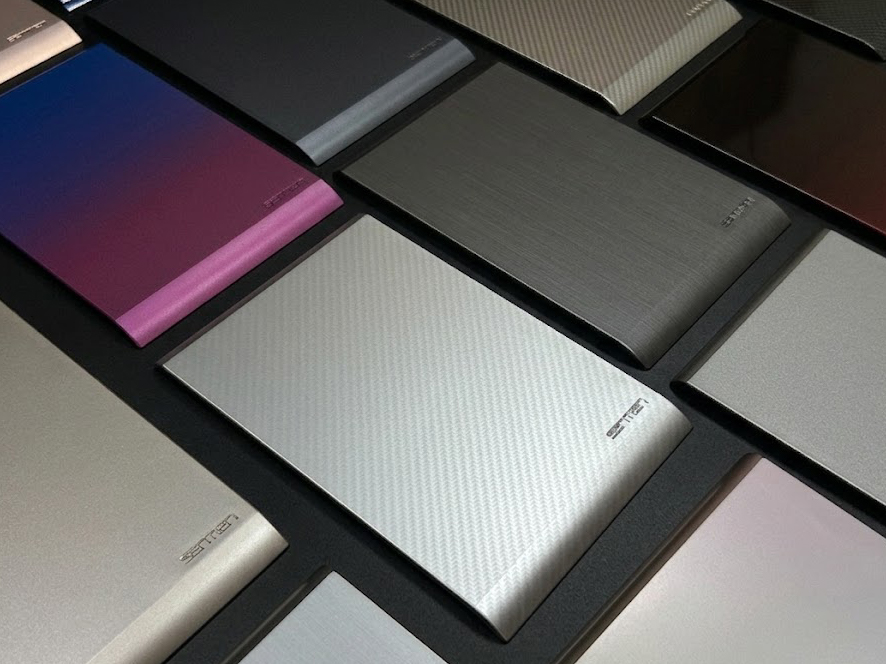
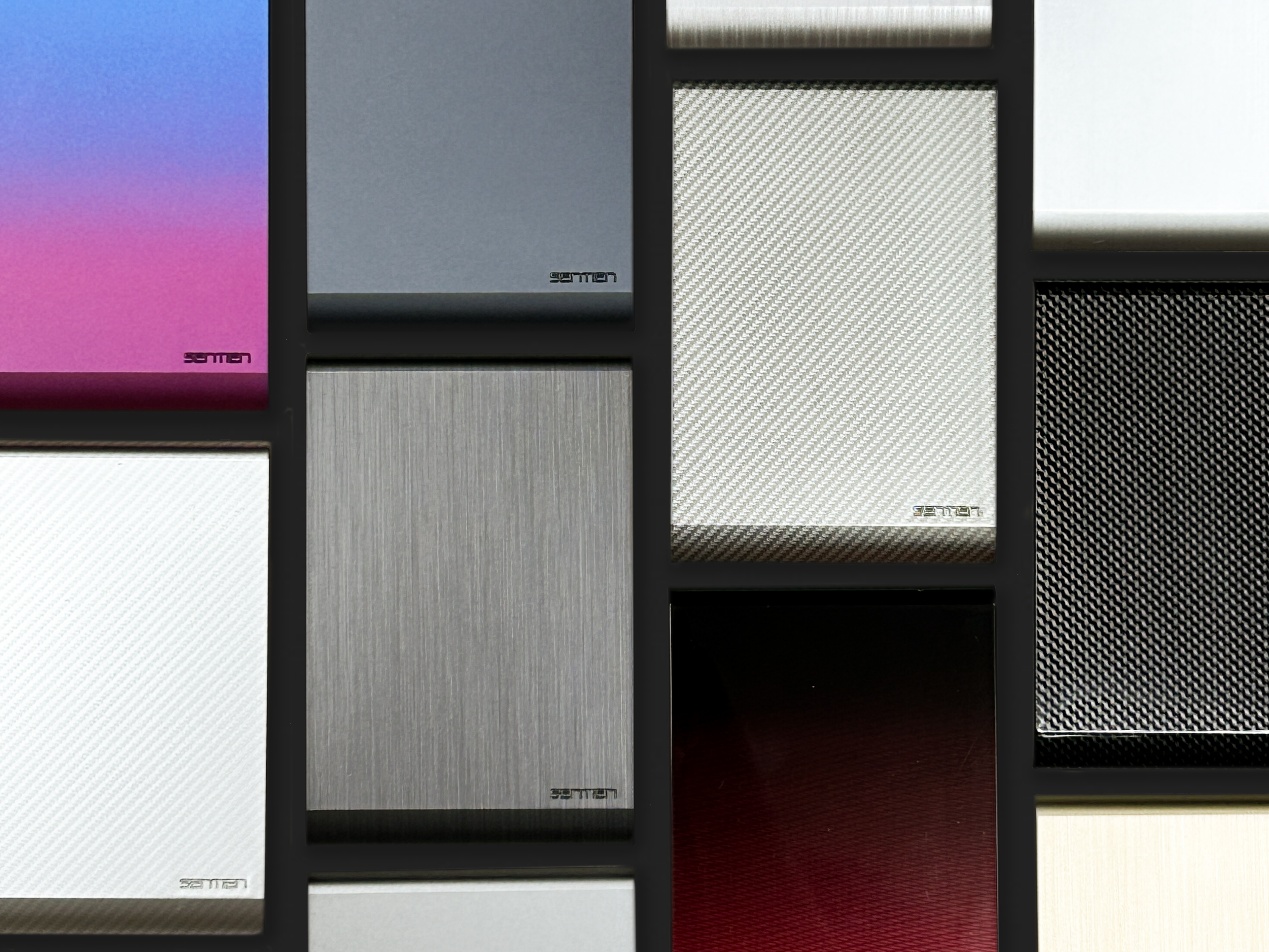
- Enables a wide range of textures and visual effects
- Supports sustainable manufacturing goals
Case Study 1: External Solid-State Drives
An external solid-state drive launched in 2026 features NFC-enabled unlocking and data security as its key selling points. The product emphasizes an urban aesthetic and mobile-office applications, while incorporating IMR technology as part of its exterior design.
For portable storage devices, which are frequently carried, stored, and handled, the surface must not only deliver an attractive appearance but also provide sufficient durability for everyday use.
IMR technology can create a variety of surface effects, including:
- Metallic finishes
- Specialized textures
- Customized graphics
- Highly wear-resistant protective layers
At the same time, it can reduce the number of processing steps required by conventional coating processes.
Case Study 2: Gaming Memory
In the high-end gaming market, product aesthetics have become an important element of brand differentiation.
Positioned as the world’s first environmentally focused RGB DDR5 gaming memory, the product’s official information states that it adopts an eco-friendly IMR manufacturing process and combines the brand’s distinctive geometric design language to create the appearance of its heat spreader.
Key product features include:
- Eco-friendly IMR manufacturing process, embracing the trend toward green gaming aesthetics
- Use of 50% PCR (Post-Consumer Recycled) plastic materials
- Up to 60% RGB lighting coverage
- A product philosophy that combines sustainability with high performance
This case demonstrates that IMR is more than just a decorative technology—it has also become an important medium for brands to communicate their design concepts and ESG values.
Why Are More Brands Choosing IMR?
1. Greater Design Freedom
IMR technology enables a wide range of surface designs, including:
- Brushed-metal textures
- Carbon-fiber patterns
- Geometric graphics
- Gradient colors
- Metallic visual effects
- Light-transmitting visual effects
From a functional perspective, IMR solutions can also provide:
- Fingerprint-resistant / fingerprint-optimized surfaces
- Antibacterial properties
- Antiviral properties
These capabilities give brands greater flexibility in creating distinctive and recognizable product designs.
2. Higher Production Efficiency
Through in-mold transfer, decoration and injection molding can be completed simultaneously.
This can reduce the need for:
- Painting processes
- Secondary processing
- Manual operations
As a result, overall manufacturing costs can potentially be reduced.
3. Supporting ESG and Green Manufacturing
In recent years, international brands have placed increasing emphasis on product carbon footprints, environmentally friendly manufacturing processes, and the proportion of recycled materials used in their products.
Because IMR technology can reduce solvent consumption and VOC emissions, while also offering good compatibility with recycled materials, it is gradually becoming an important solution for exterior components in electronic products. From storage devices to gaming hardware, its application value is becoming increasingly evident.